

Minnesota DNR
For generations of fairgoers, a trip to the Minnesota State Fair isn’t complete without a stop at the DNR’s Fish Pond. Tucked beneath mature trees and away from the midway’s flashing lights, the tranquil corner has offered visitors a chance to slow down since 1971. But the DNR’s roots at the fair stretch back even further—more than a century—making it one of the fair’s oldest and most enduring institutions. From its historic building built by the Civilian Conservation Corps to the familiar fire tower and the dozens of native fish that return each summer, the DNR has quietly become one of the places where Minnesota’s love of the outdoors is passed from one generation to the next.
Ahead of the Fair, we chatted with Amelia English, the event program coordinator for the DNR.
Minnesota DNR
How did the DNR become a part of the State Fair?
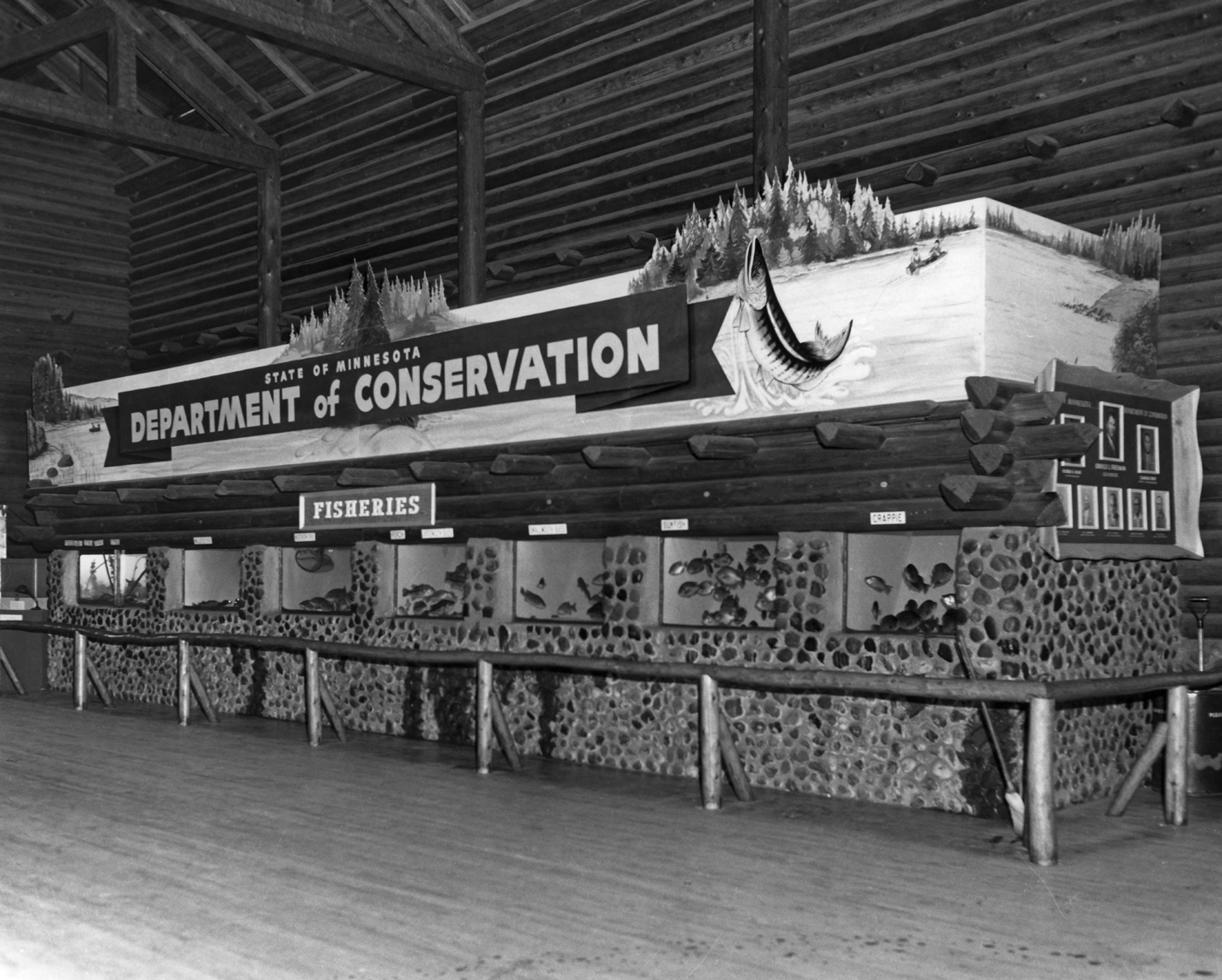
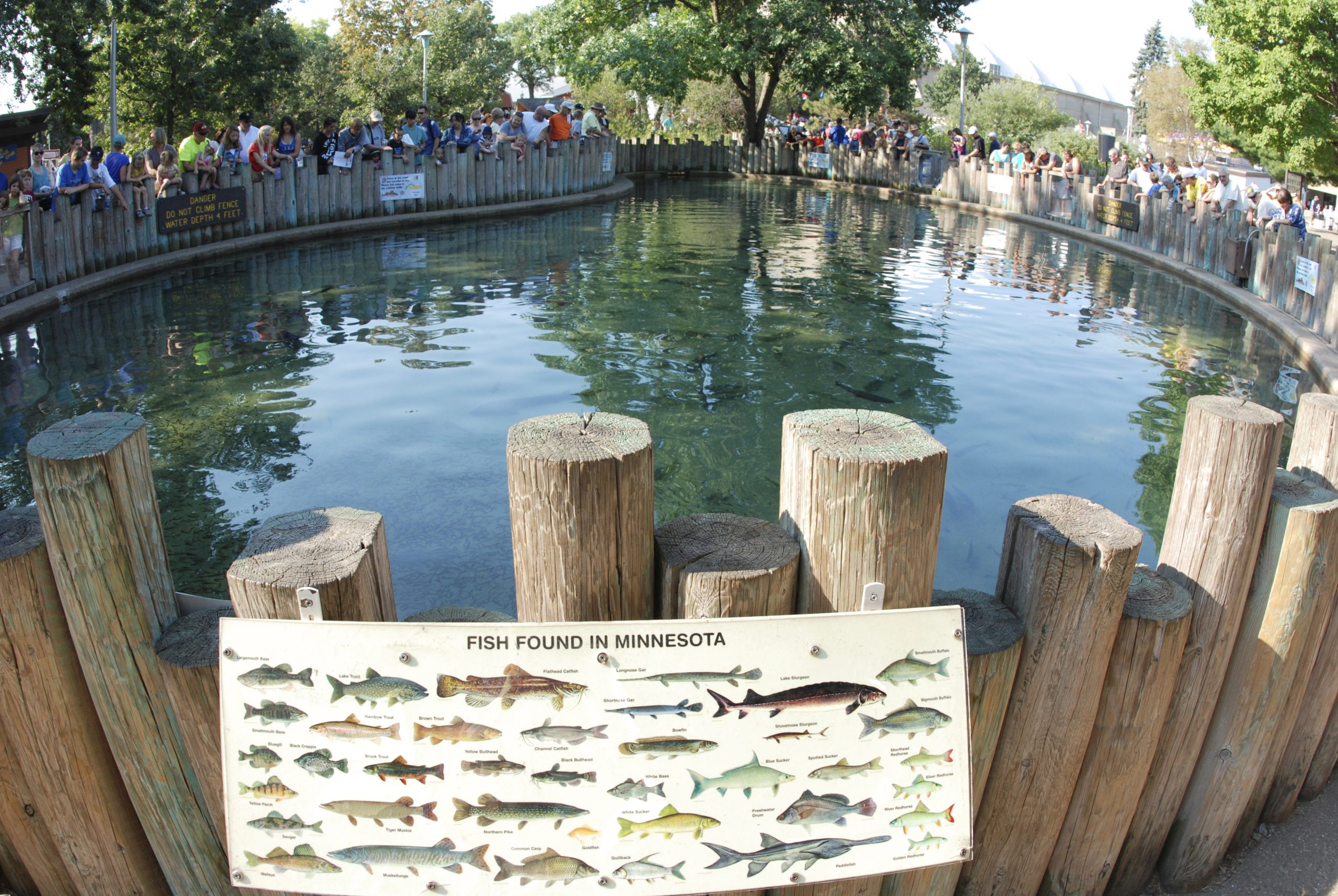
The DNR has been at the Fair since almost the beginning. We started as the Department of Conservation. Part of our building actually says Department of Conservation, and even before that, we were the Department of Forestry in the 1800s, and they even were also at the Fair. The building that’s there right now was built in 1934 and was built by the Civilian Conservation Corps. On the south side of the grounds, the fish pond was put in in 1971, which is one of our more iconic things that people like to visit when they come to our grounds. And we have a fire tower that was installed in 1966.
How has the role of the DNR, or presence of the DNR, evolved over the years?
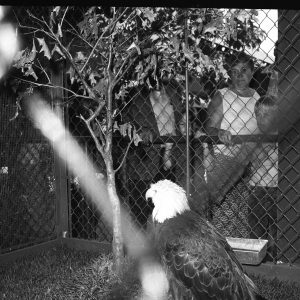
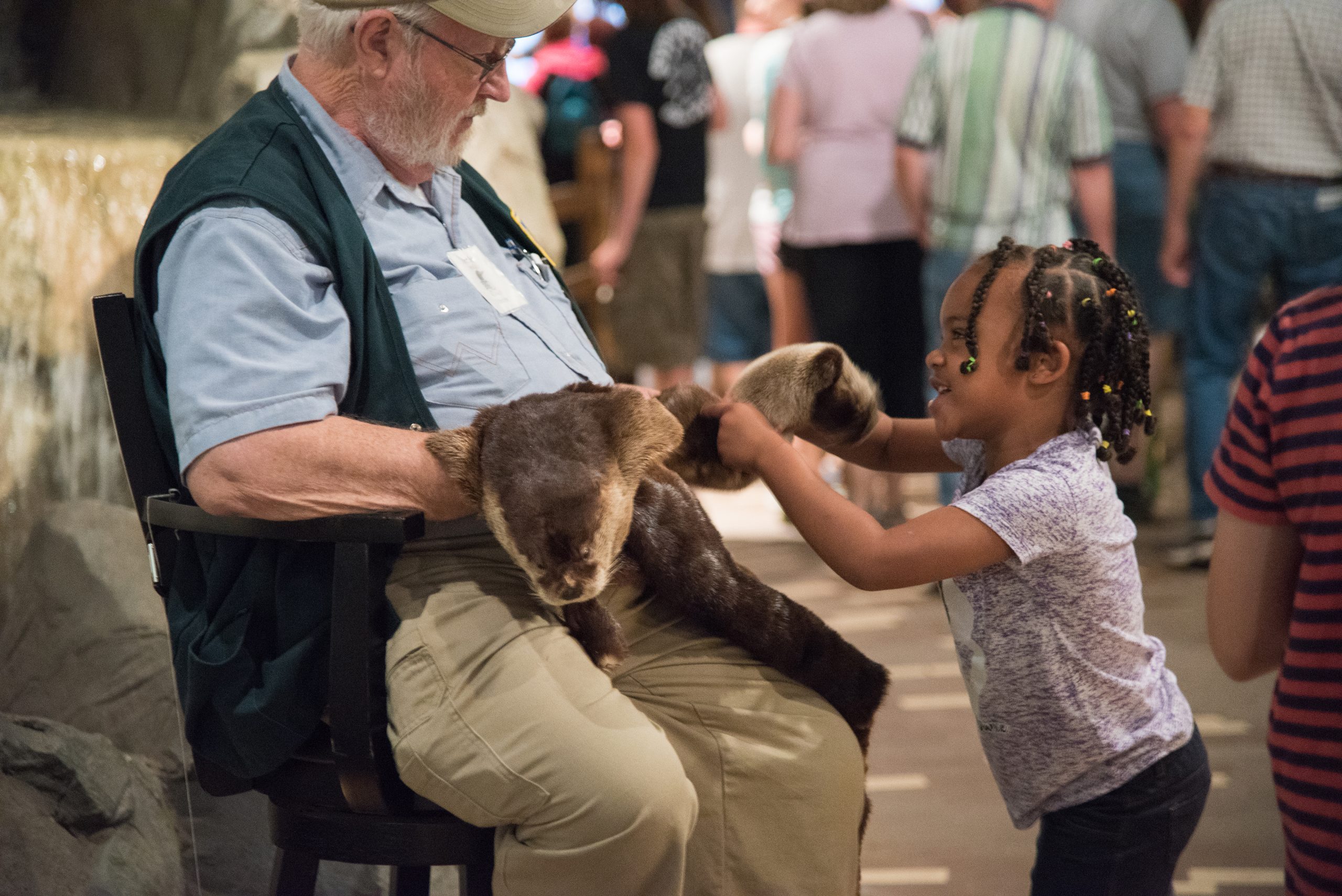
We’re all about educating the public; the mission of the DNR is to preserve and appreciate our natural resources. So, we do a lot of education and we have for a long time. At one point, we had a lot of live animals in little tiny cages, which is not how we present nature anymore. We moved toward more modern ways to present the environment. What people like to do in nature has evolved over time, too. We sell hunting and fishing licenses at the Fair, and the money goes toward infrastructure for hunting and fishing.
 How do you decide what stories to highlight every year?
We have all sorts of specialists! We try to rotate through what what creatures we’re highlighting, and we try to go off what have people asked us about in the past that we didn’t have as much representation for.
What surprises people the most about what it takes to maintain the DNR building and the pond during the Fair?
It is a space that belongs to the Fair and can be used for other events through the off season. Everything that’s in there gets loaded out right away after Labor Day, then has to be loaded back in. So, the sandbox that talks about land surveying, the fish in the pond, etc., all of that stuff goes away. It is a very big process of setting up a whole museum, basically, and a whole outdoor exhibit.

Minnesota DNR
In a place that’s known for indulgence, the DNR offers something a bit quieter. Why do you think that balance matters?
I love the DNR area because it has more trees than the rest of the Fair. There is grass to sit on, and there’s a little trail that you can walk through. It’s just such a sharp turn from the concrete and the heat of the Fair. So, it feels like a little tiny park in the middle, in a way that I think is really important for the high energy of the Fair. I think a lot of people come to the fish pond for a couple moments, even if they don’t come inside our buildings and read our signs or watch our educational programming, but to have a moment of zen. A calm stillness where you’re just watching the fish really slowly move around in the pond. It’s so nice. It’s just a great break from the bright lights of the midway or the very intense smells of the animal barn. A quiet, cool, and calm oasis for sure.
The pond is so nostalgic for so many people.
There’s definitely people that come through and say something like, “My tradition is to always get my scotch egg, then eat my breakfast while I watch the fish pond.” That tradition is really fun to witness.
Minnesota DNR
And it’s everything that you would find in Minnesota’s natural habitat, right?
Yes, there are about three dozen species that were collected from Minnesota streams and lakes. Once the fish have lived together in the pond, however, they aren’t released back into the wild because they may have interacted with species they wouldn’t normally encounter, and we want to avoid spreading anything between waterways. Instead, they spend the other 11 months in a separate off-season pond before returning to the fair—so, in many cases, they’re the same working fish year after year.
When someone does stop and pause at the pond, what do you hope they take away from that moment?
I think it depends on the person. What’s fascinating to me is that, for some Minnesotans, the State Fair may be the only place they’ll see live fish swimming up close. Many people spend time in our state parks or on lakes and rivers, but others don’t have those opportunities. The pond gives everyone a chance to experience the incredible variety of creatures that live in Minnesota’s waters. If seeing them up close sparks someone’s curiosity or inspires them to explore nature a little more, that’s exactly what we hope for.
Minnesota DNR
Do you have a favorite moment or interaction that you’ve witnessed at the Fair over the years?
I was on Reddit in late September last year, and someone posted, “I was just at this park, and I saw this berry that looked like the temporary tattoo I got at the DNR building [at the Fair] that was about invasive species. And because I wore that tattoo for a week, I learned what the plant looks like, so I’m pretty sure this is invasive and I want to report it.” And then everyone else commented like, “Yes, I also got that tattoo and, yes, you’re correct. You’ve identified a species in the wild.” And that was such a magical moment for me. We are making it fun and educational.