


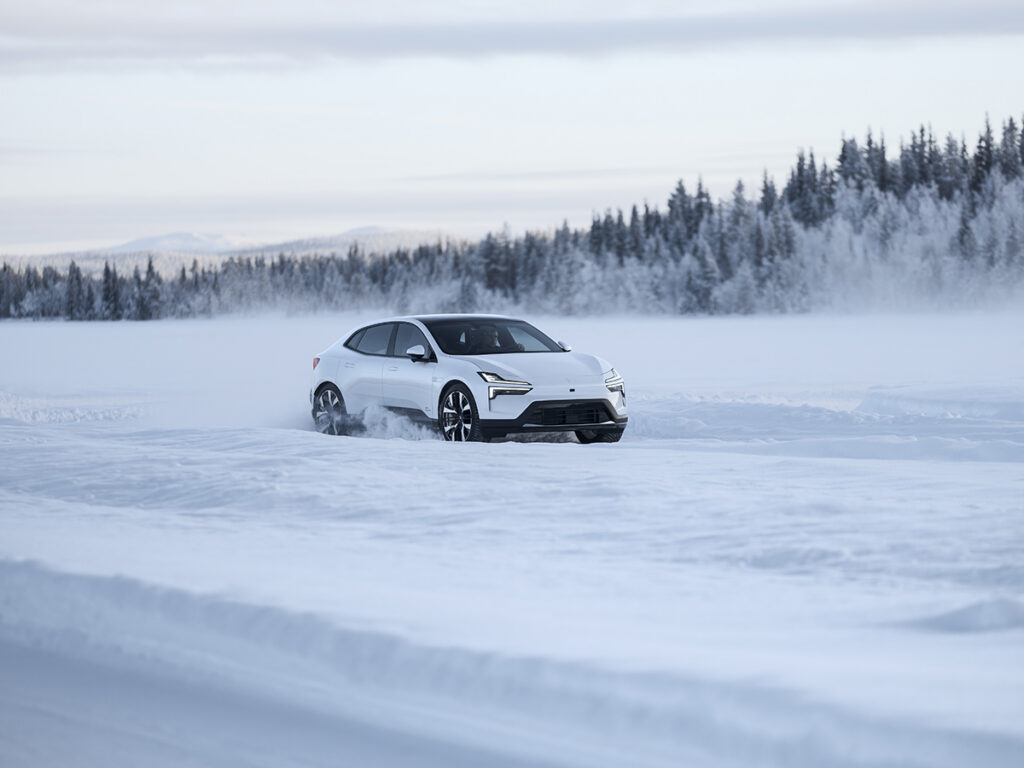
For Minnesota drivers, buying a vehicle comes with a question that residents of warmer climates rarely have to consider: How will it handle January?
It’s an especially important consideration for anyone thinking about making the switch to an electric vehicle. Cold temperatures can affect EV range and charging speeds, and heating the cabin requires additional energy from the battery. But for Polestar, winter isn’t an afterthought. It’s part of the environment the vehicles were designed to navigate.
The electric performance brand is headquartered in Gothenburg, Sweden, a city with a climate that makes snow, ice and cold-weather driving familiar territory. Polestar also shares deep roots with neighboring Swedish automaker Volvo, including a heritage of Scandinavian design, engineering and an emphasis on safety. That background makes the brand particularly relevant for Minnesota drivers who want the benefits of an EV without treating winter as an exception.
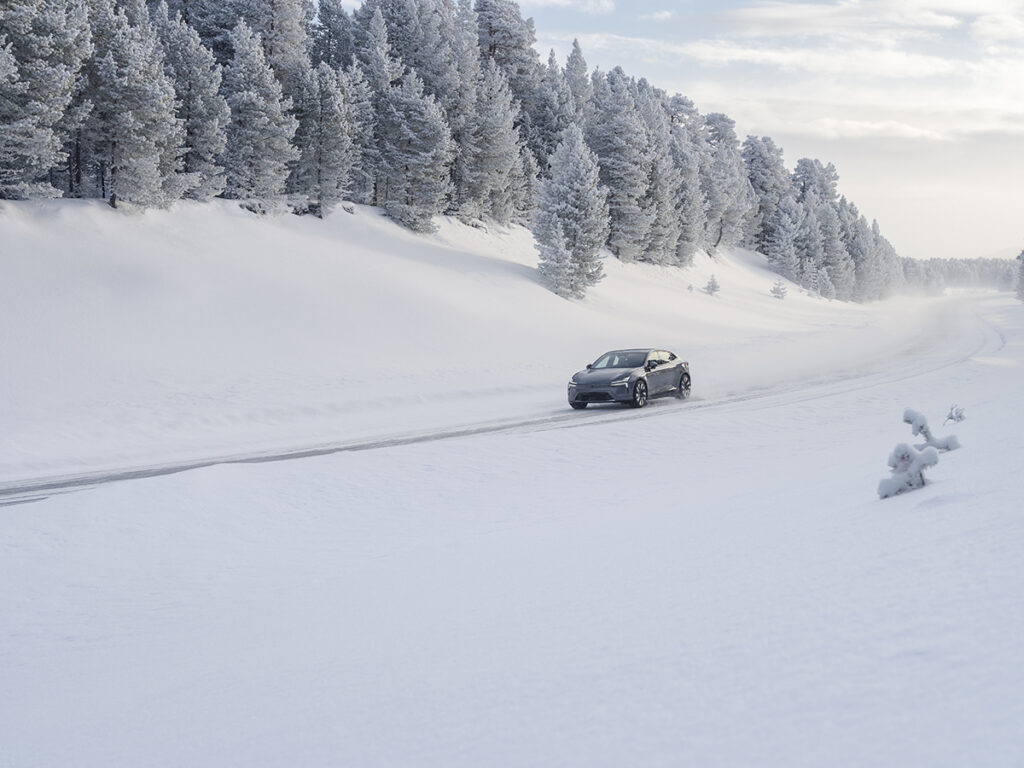
Making Cold Weather Work
A little preparation can make a significant difference in an EV’s winter performance.
Polestar recommends preconditioning the vehicle before setting out, particularly while it is connected to a charger. The feature warms the cabin ahead of time while also helping bring the battery closer to its optimal operating temperature, preserving more energy for the drive itself.
For longer trips, the vehicle can also prepare the battery for charging when a fast charger is entered as a destination in the navigation system. And because maintaining a steady speed and avoiding sudden acceleration or braking conserves energy, many of the same habits that help extend EV range also happen to be smart practices on Minnesota’s snow-covered roads.
The technology has been put to the test in conditions even Minnesotans would recognize. During Norway’s 2025 El Prix winter range test, the Polestar 3 Long range Dual motor with Performance Pack traveled 531 kilometers, or about 330 miles, in demanding winter conditions. Its result was just 5% below its official European WLTP-rated range, the smallest deviation among the 24 EVs tested.
Looking Beyond the Drive
Polestar’s Scandinavian approach extends beyond how its vehicles perform in winter to how they are made.
The company publishes a Life Cycle Assessment for its vehicles, examining their climate impact rather than focusing solely on tailpipe emissions. Polestar is also working to improve battery efficiency and longevity while reducing supply-chain emissions and increasing transparency around the minerals and materials used to manufacture batteries.
That includes supplier standards and audits, material tracing, greater use of recycled materials where possible, and continued work to reduce the environmental footprint associated with battery production. The philosophy reflects a broader goal: making electric mobility more sustainable throughout a vehicle’s life cycle, not simply while it is on the road.
For Minnesotans considering an EV, winter will always be part of the equation. But when a vehicle comes from a place where engineers understand what snow, ice and bitter cold actually mean, perhaps the transition to electric doesn’t feel quite so foreign.
After all, Minnesota and Sweden know a thing or two about winter.