

Photo by Chad Holder
Minnesota healthcare is changing fast. New technology, shifting care models, and growing access challenges are reshaping the state’s medical landscape, but for patients, the changes that matter most are often the most personal. The state’s top physicians are finding ways to use innovation to simplify care, remove barriers, and spend more time doing what medicine has always depended on: listening to and caring for people.
Simplifying the Patient Experience

Photo by Chad Holder
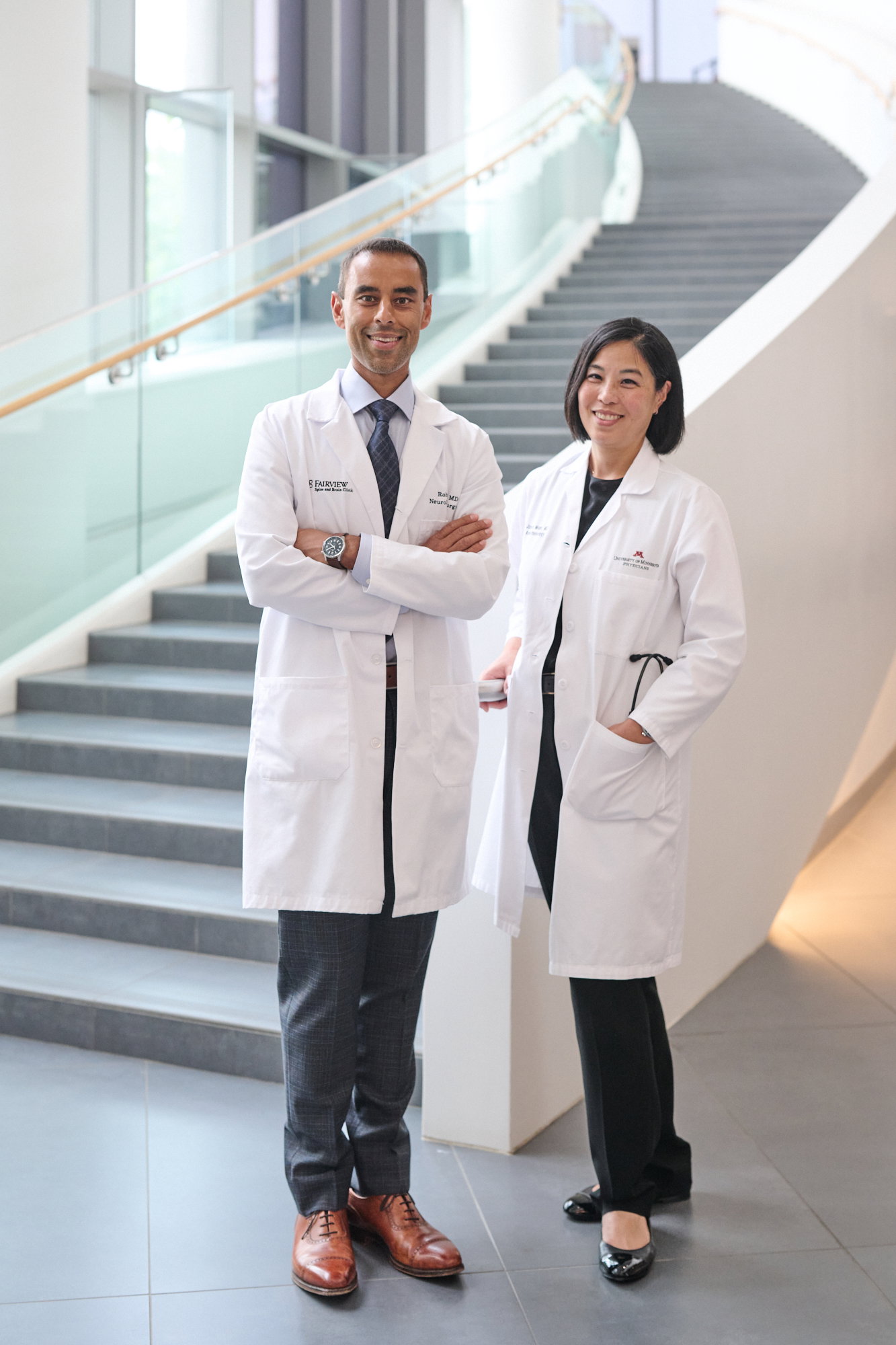
For patients navigating cancer treatment, the number of specialists, appointments, and decisions can quickly become overwhelming. University of Minnesota Physicians medical oncologist Dr. Naomi Fujioka sees coordination as essential. “Every patient I see needs a quarterback, a go-to person, or team who understands the system and takes charge to ensure the patient and their families are getting what they need.” Patient navigators help coordinate care and logistics, allowing patients to focus on treatment and recovery. Dr. Rohan Lall, a neurosurgeon at Fairview, says simplifying care also means bringing it closer to patients through expanded access to community hospitals, clinics, and specialty locations.
That approach increasingly extends beyond traditional medical care. Fairview screens patients for social determinants such as food insecurity, housing, transportation and social support. “Nearly 80% of health outcomes are influenced by factors outside the exam room,” Lall explains. Programs such as Fair Table, which provides nutritious food and grocery vouchers to patients experiencing food insecurity, aim to address some of those barriers.
Technology in Service of Connection
Technology is also changing the patient experience, but both physicians see its greatest potential when it supports rather than supplants human interaction. Dr. Lall says, “AI-powered clinical documentation at Fairview helps us reduce the time providers spend on administrative tasks, allowing us to focus more on patients and conversations during visits instead of typing on a computer.” Virtual visits similarly expand access for patients facing transportation, mobility, or scheduling challenges.
But technology also brings risks. “We have to be extremely cognizant of the potential of technology and innovation to exacerbate health disparities and inequities,” Fujioka says. As healthcare becomes more digital, some patients can be left behind. “Human-centered design needs to be part of the framework that drives technology forward.”
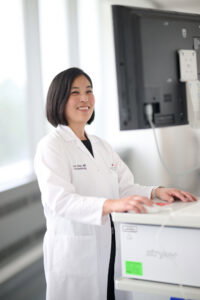
Photo by Chad Holder
Looking Ahead
The next chapter of healthcare will unfold amid significant change, but both physicians see reason for optimism.
“I envision healthcare being more precise, personalized, and better connected than ever before,” Lall says. “Through continued advances in technology and the dedication that care teams bring every day, we’re already making meaningful progress.” Fujioka shares that hope: “My sincere hope is that high-quality healthcare becomes easier to access and more affordable, and that we continue to make great, remarkable strides in discoveries and innovations that heal and cure.”
Her advice to patients is straightforward: “Empower yourself. Don’t be afraid to ask questions and advocate for what you need. Don’t be afraid to ask for help—we’re here for you.”
For all the technology transforming medicine, the future these physicians describe isn’t less human. It uses innovation to clear barriers, strengthen relationships, and give doctors more time to listen, understand, and care.
For a broader look at the forces reshaping care across the state, read our 2026 Minnesota Healthcare Checkup.