

Long before Minneapolis became known for events like the Twin Cities Marathon, the Minnesota State Fair’s unofficial city counterpart, or summer concerts along the riverfront, there was Aquatennial.
Now entering its 87th year, Minneapolis’ signature summer celebration returns July 18-26 under new leadership from the Aquatennial Ambassador Organization (AAO). While the festival continues to evolve with new attractions and programming, its roots stretch back to 1940—and even further, to some of the city’s earliest civic celebrations.
A Festival Built Around Water
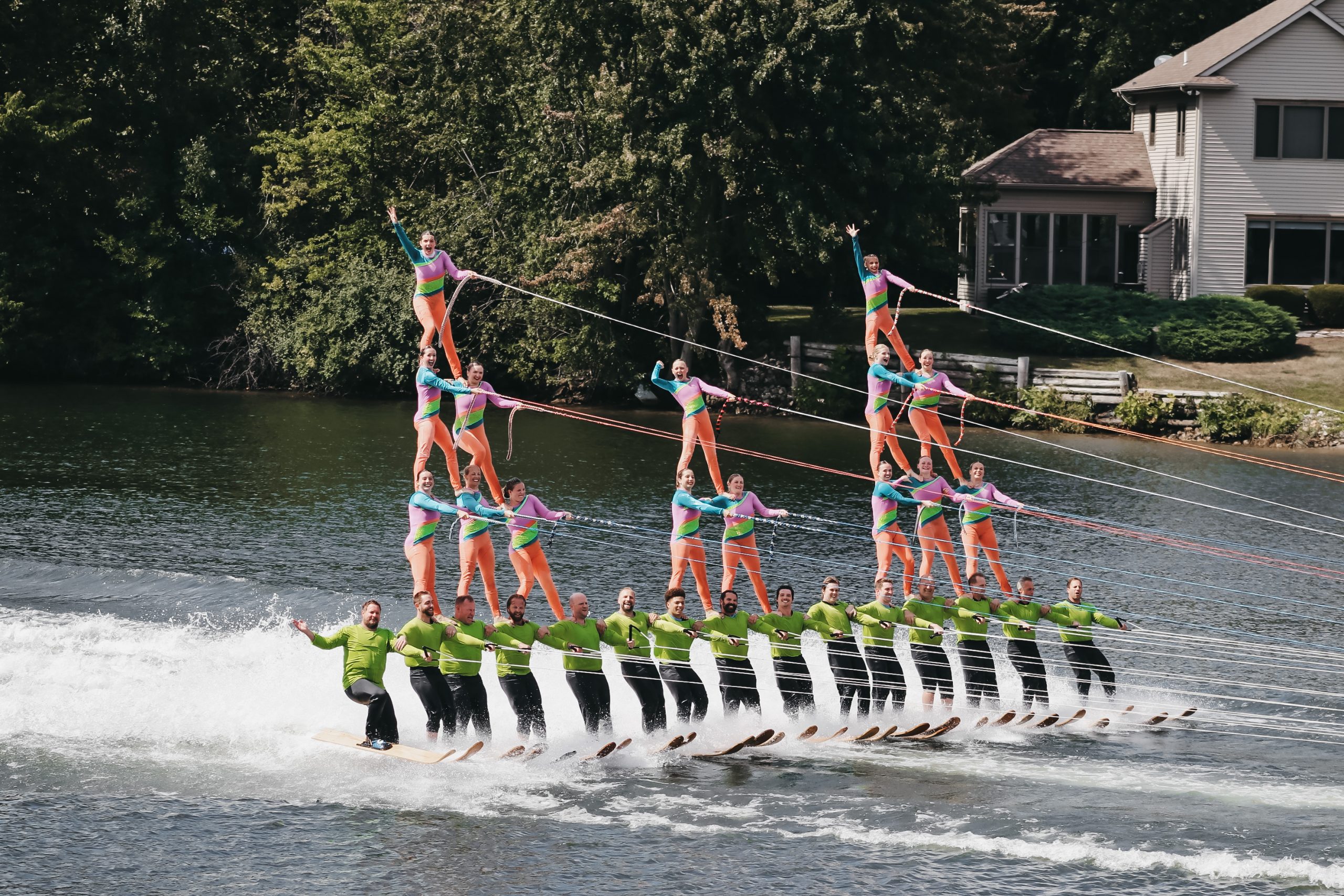
Aquatennial was founded in 1940 as a way to celebrate Minneapolis’ defining natural feature: water. With its chain of lakes, creeks, and the Mississippi River, Minneapolis had long embraced outdoor recreation. City leaders and local business owners saw an opportunity to create a summer festival that would highlight those assets while fostering civic pride and bringing residents together during challenging economic times.
The name itself combines “aqua” and “centennial,” reflecting the city’s connection to water and its aspirations as a growing metropolitan center.
The festival quickly became known as “The Ten Best Days of Summer,” a nickname many Minnesotans still use today.
Earlier Roots in Minneapolis History
While Aquatennial officially began in 1940, the idea of large-scale civic celebrations wasn’t new. Historians often point to earlier Minneapolis commemorations, including festivities surrounding the completion of the Stone Arch Bridge in 1883 and other citywide celebrations that marked important milestones in the city’s development.
By the time Aquatennial arrived, organizers hoped to create a uniquely Minneapolis tradition—one that would appeal to residents across all neighborhoods and socioeconomic backgrounds.
The Early Years: Celebrities, Canoes, and Spectacle
In its first decades, Aquatennial became one of the Midwest’s premier summer festivals. National celebrities frequently visited Minneapolis during the celebration. Among those who appeared over the years were Gene Autry, Bob Hope, Natalie Wood, Arthur Godfrey, Bob Barker, and future President Richard Nixon.
The festival also featured events that would seem almost unimaginable today, including the legendary Paul Bunyan Canoe Derby and the Aqua Follies, a large-scale water show that remained a crowd favorite until it ended in 1964 due to budget constraints.
Music has always played a role as well. In 1967, the festival hosted performances by Buffalo Springfield and Jefferson Airplane, reflecting the changing cultural landscape of the era.
The Rise of Aquatennial Traditions
While many events have come and gone, several traditions have endured for generations.
The Torchlight Parade
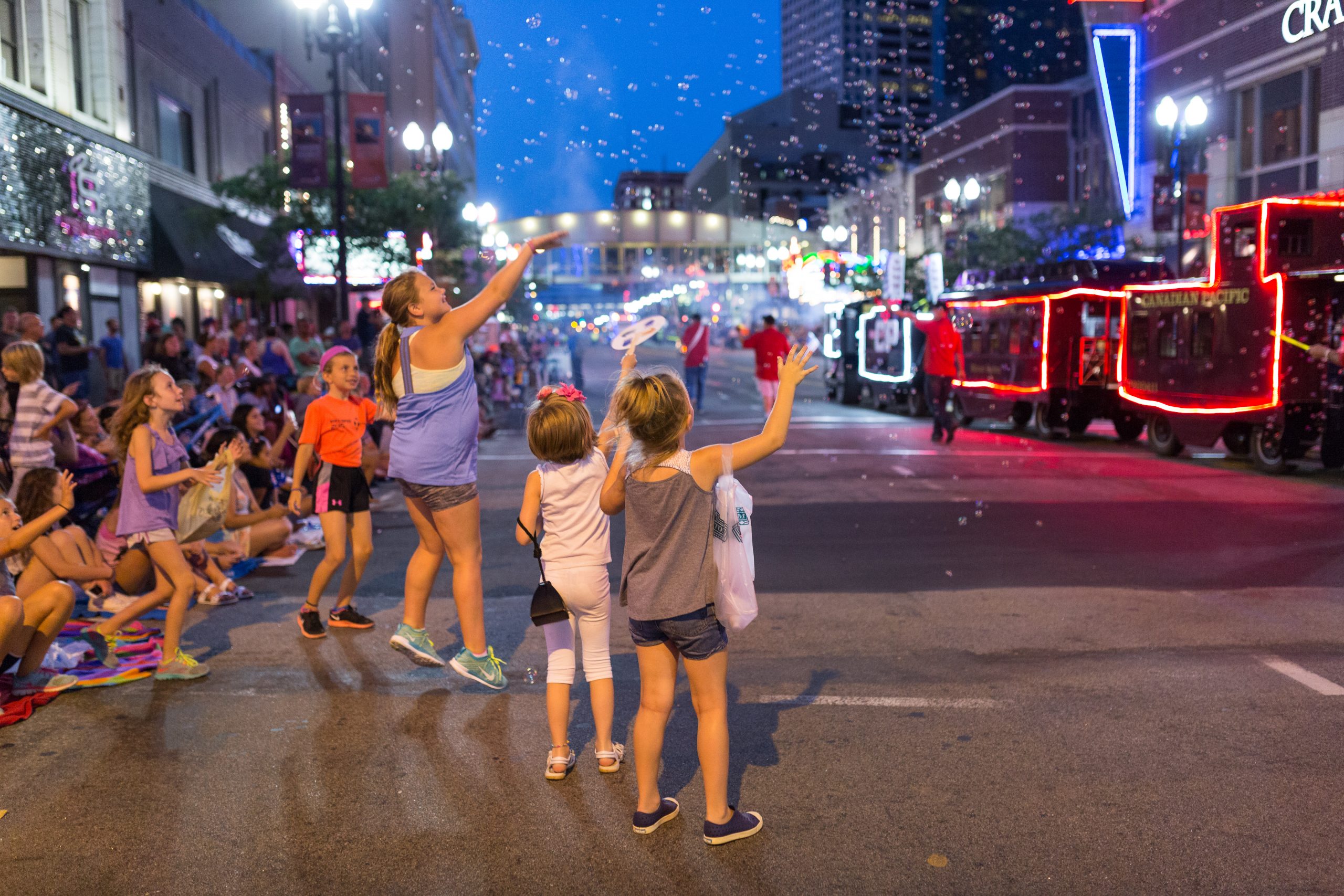
Originally known as the Illuminated Evening Parade, the Torchlight Parade has become one of Aquatennial’s signature attractions. Each year, thousands gather along downtown streets to watch illuminated floats, marching bands, performers, and community groups parade through the city.
The Skipper Pin
Since the festival’s first year, the Skipper Pin has served as Aquatennial’s official collectible souvenir. For decades, festivalgoers have purchased, traded, and collected the annual pins, making them one of the most recognizable symbols of the celebration. After a hiatus in recent years, the Skipper Pin returns in 2026.
Fireworks Over the Mississippi
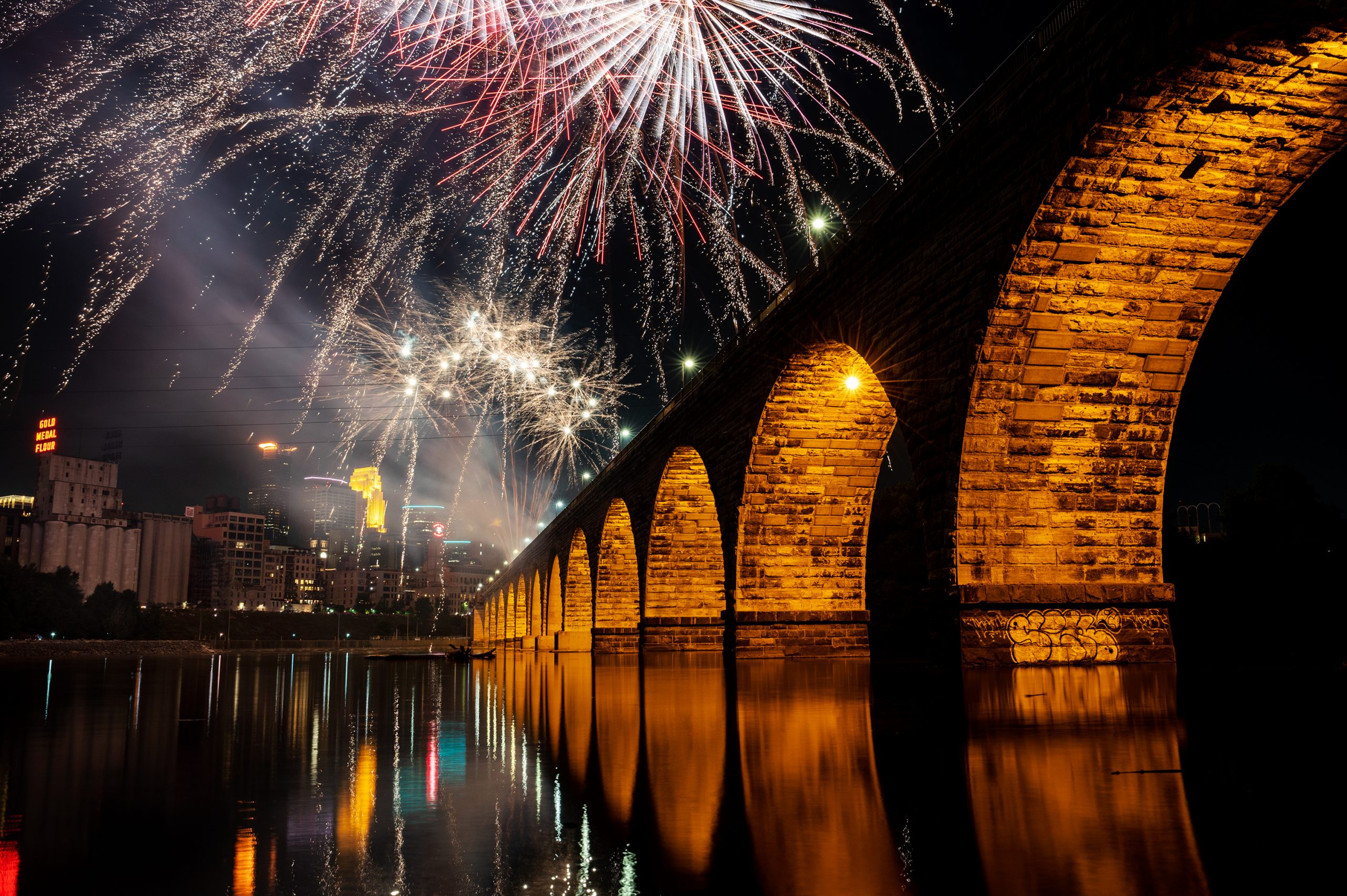
Aquatennial’s fireworks display has long been considered one of the largest in the country. For many Minnesotans, the spectacular finale has become synonymous with summer in Minneapolis.
The Queen of the Lakes and Aquatennial Royalty
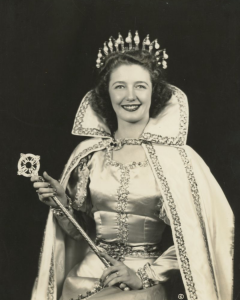
Perhaps no tradition is more closely associated with Aquatennial than the Queen of the Lakes. Since 1940, young women representing communities and organizations throughout Minnesota have participated in the Aquatennial Ambassador program. The annual coronation remains one of the festival’s most recognizable traditions.
Over time, the program expanded to include ambassadors, princesses, captains, commodores, and senior ambassadors, all of whom serve as representatives of Minnesota festivals and communities throughout the year.
Today, the Aquatennial Ambassador Organization continues that mission by traveling to dozens of communities throughout Minnesota and beyond, promoting volunteerism, civic engagement, and community celebration.
Milestone Celebrations
Several Aquatennial years have held special significance. In 1956, the festival coincided with Minneapolis’ centennial celebration. In 2008, Aquatennial helped commemorate both Minneapolis’ sesquicentennial and Minnesota’s 150th anniversary of statehood.
Throughout each milestone, the festival has remained focused on showcasing the city and bringing people together.
Ryan Taylor
A New Chapter Begins
For more than two decades, the Minneapolis Downtown Council oversaw Aquatennial after acquiring the rights to the festival in 2003. Earlier this year, questions emerged about the event’s future when the organization announced it would no longer produce the celebration.
The Aquatennial Ambassador Organization stepped forward to ensure the tradition would continue. That transition marks a new chapter, but organizers say the mission remains unchanged: celebrating Minneapolis, its people, and the waterways that helped shape the city.
As Aquatennial enters its 87th year, the festival continues to blend longtime traditions—like the Torchlight Parade, fireworks, and ambassador program—with new events designed to engage future generations.