


In baseball, as in life, timing is everything. After being let go by the Pittsburgh Pirates last May, 38 games into his sixth season as manager, Derek Shelton had plenty of time to reflect. It was, in his words, a grieving process. And if that separation had come in September at the end of the baseball season, Shelton says, he wouldn’t have been ready to manage again in 2026.
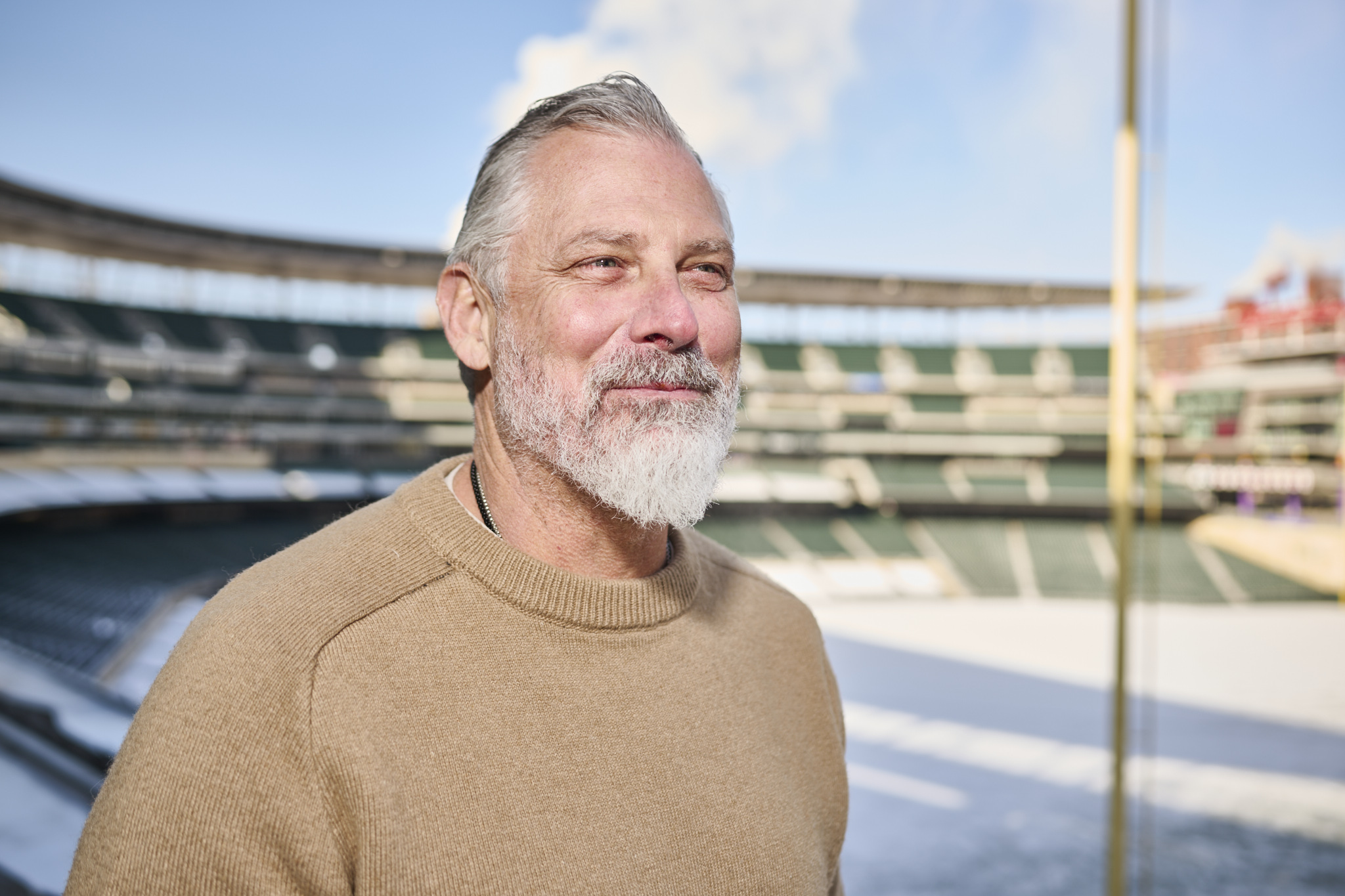
Photo by John Haynes
“I had four months to go through it,” says Shelton. “I was able to look back, reflect on the things that I thought I did well, and then, more importantly, the things that I needed improvement on, and how I would do things differently. That reflection point was really important.”
So, when the Minnesota Twins, for whom Shelton had been a bench coach in the 2018 and 2019 seasons, decided to part ways with manager Rocco Baldelli in late September, Shelton was ready to get back in the game. There were multiple managing jobs available, but given that Minnesota was a place where Shelton had experience and relationships, the Twins job was at the top of his list.
“I actually got a little nervous,” says Shelton, “because it was open for about a week, and I had heard nothing. I thought, ‘Damn, this is the job I want. Is somebody going to call me?’”
The call did soon come from the Twins’ then-president Derek Falvey and general manager Jeremy Zoll, and in late October, Shelton was announced as the 15th manager in Twins history. In making the hire, Falvey lauded Shelton’s experience coaching and managing in professional baseball—nearly three decades as of 2026. Shelton, 55, was a standout catcher at Southern Illinois University, then spent two years in the New York Yankees’ minor league system, where he began his coaching career in 1997. His MLB career began in 2005, including stops in Cleveland, Tampa Bay, Toronto, and, finally, Minnesota. He began his first MLB managerial job with Pittsburgh in 2020.
Now, with even more experience under his belt, Shelton returns to Minnesota, where much has changed—center fielder Byron Buxton is the lone current Twin who was on the roster when Shelton was a bench coach—but his love for the community hasn’t. Minnesota Monthly caught up with Shelton at his offseason home in Florida, where he was preparing for spring training and to take the lead at 1 Twins Way.
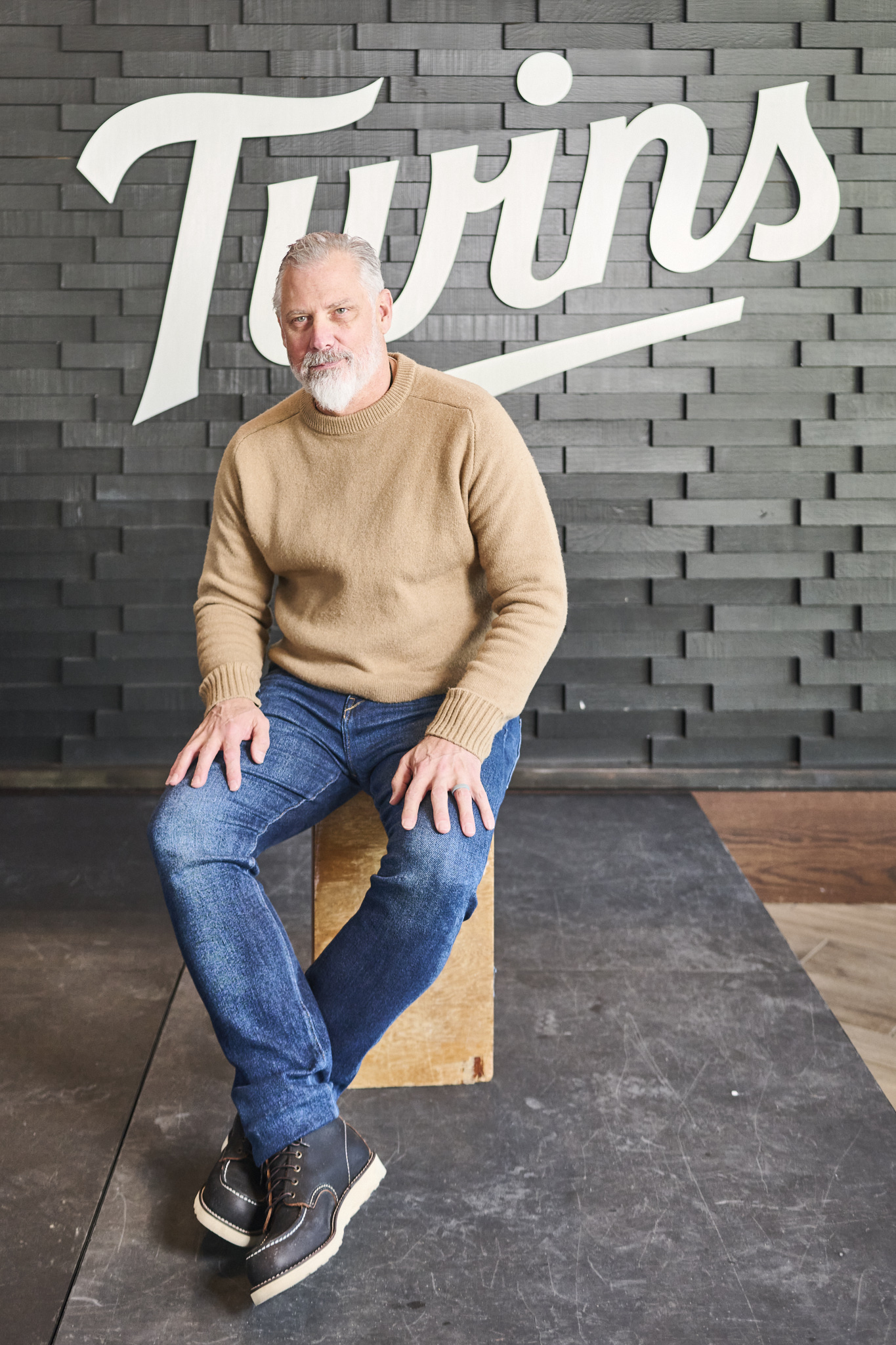
Photo by John Haynes
When you look back on your previous stint with the Twins, what memories stand out?
The first year I was here, I was able to work for Paul Molitor. Anytime you’re able to work for a guy who’s a Hall of Famer, one of the all-time hits leaders, and maybe one of the best base runners of all time, [there’s so much] knowledge you’re able to absorb there. I came in not knowing Molly at all. So, talk about being on pins and needles—when you’re a bench coach and he asks you a question, you want to make sure you’re on top of it. I learned a lot from that experience. Then the next year with Rocco, I think my fondest memory is—we won 101 games; we were really good. Our offense was really fun to watch, so those are fond memories.
What made you want to come back?
I think, more than anything, it was the relationships that I built. It was only two years, but it really felt like we were here for a long time. I think it’s very cliche when you leave, you say you’re going to maintain those friendships, and you’re going to maintain relationships, and in this regard, I did, with the people in the front office, people in the clubhouse staff. The team is completely different, with the exception of Buck [Byron Buxton]; he’s the only guy who’s still here. But the relationships that I formed, not only within the Twins front office and operations staff, but also within the community, are some of the things that really made the job enticing and one of the reasons that I wanted to come back. And it’s where I wanted to be. I want to win as a Twin. I want to be a Twin. I’m very proud of my time there before. My family loves it. They’re excited to be back. So, yeah, this was the job that I wanted, and I was really excited about the opportunity.
After having time to look back on it, what are some of the things you learned from managing in Pittsburgh?
I think the first thing that stood out to me the most was, especially with today’s players, communication. You have to make sure that you stay consistent with it. What I mean by that is, we can all be good communicators, but if the message doesn’t land with the players, then we’re not good communicators, and then we end up creating chaos, because they think you said one thing, and you think you said another thing. The second thing—and this is not any reflection on the guys I worked with in Pittsburgh, because I enjoyed my time with all of them—but I think this time, the diversity of thought, the diversity of skill sets, the diversity of experience that we put on our staff, was really important to me.
Photo by John Haynes
You mentioned having worked under Paul Molitor and Rocco Baldelli. Who are some of your other coaching influences?
My dad was probably the largest influence throughout my career, just because of the fact [that] he’s a former minor league player. He was a longtime high school coach. He’s in the Illinois High School Baseball Coaches Association Hall of Fame. I think it starts there. The next person was a gentleman by the name of Mark Newman, who hired me with the Yankees. Through the other stops, a big one has been Rob Thompson, who is now the manager of the Phillies. And then the last person is a guy by the name of Gary Denbo, who most recently was a VP with the Marlins, was a hitting coach with the Yankees, and has since retired. But he’s kind of the guy who brought me into the Yankees system and taught me how to be a hitting coach. Those are probably the biggest influences I’ve had.
How would you define your leadership style?
I think that’s a good question; I think it’s consistently evolving. The main thing that I would want people to say is that I’m a good listener, because I know that when you sit in the head chair, you’re going to get a lot of information every day, and you have to process that information. People are looking to see how you respond to that information. So I think being a good listener is number one. The second thing is the ability to go back and have conversations, and I felt that early on in my time in Pittsburgh, I probably did a better job of that, and maybe not as well at the end. But the most important thing for any good leader is the ability to listen and delegate.
Looking ahead to this season, what stands out to you about this Twins roster?
It’s a team that’s built on pitching, especially top-end pitching. And when you have Pablo Lopez and Joe Ryan at the top of the rotation—I’ll sign up for that all day, every day, plus the pitching depth that we have coming behind it, too, with Bailey [Ober] and Zebby [Matthews] and Taj [Bradley]. On the offensive side of the ball, it all starts and stops with Buck. He’s that mainstay, and we’re going to lean on him in terms of how he plays the game. That’s what excites me. It excites me, the fact that we have starting pitching, which you can win games with, and then, secondly, we have a superstar who plays in the middle of the diamond.
What brand of baseball can fans expect to see when they come out to Target Field this season?
I think effort is something that Twins fans have always expected. So that expectation should be, we’re going to be aggressive, we’re going to play hard. We’re going to have good starting pitching. I realize there is a situation with some Twins fans where we need to regain their trust, and all I ask is, just give us a little bit of time. I feel that we will regain their trust, because I think they’re going to enjoy the way this Twins team plays. I think the aggressive style is something that Twins fans had become accustomed to, and I think they’re going to enjoy it.
Editor’s Note: This interview took place in January 2026.