


Walking into Radish Farm Stop, you’re greeted by friendly smiles and a display of seasonal colors. Fresh, local produce sits alongside farm-fresh eggs and dairy, locally raised meats, dry goods ranging from pasta to pantry staples and snacks, and, of course, fresh-cut flowers. To the right, the store shifts and invites you to linger in the coffee shop, where you can settle in with a cup of coffee and a pastry or thumb through the cookbooks tucked inside a beautiful antique refrigerator, available for in-store reading. It’s equal parts grocery and gathering place, with the kind of thoughtful details asking you to slow down, wander, and maybe leave with something you didn’t know you needed.
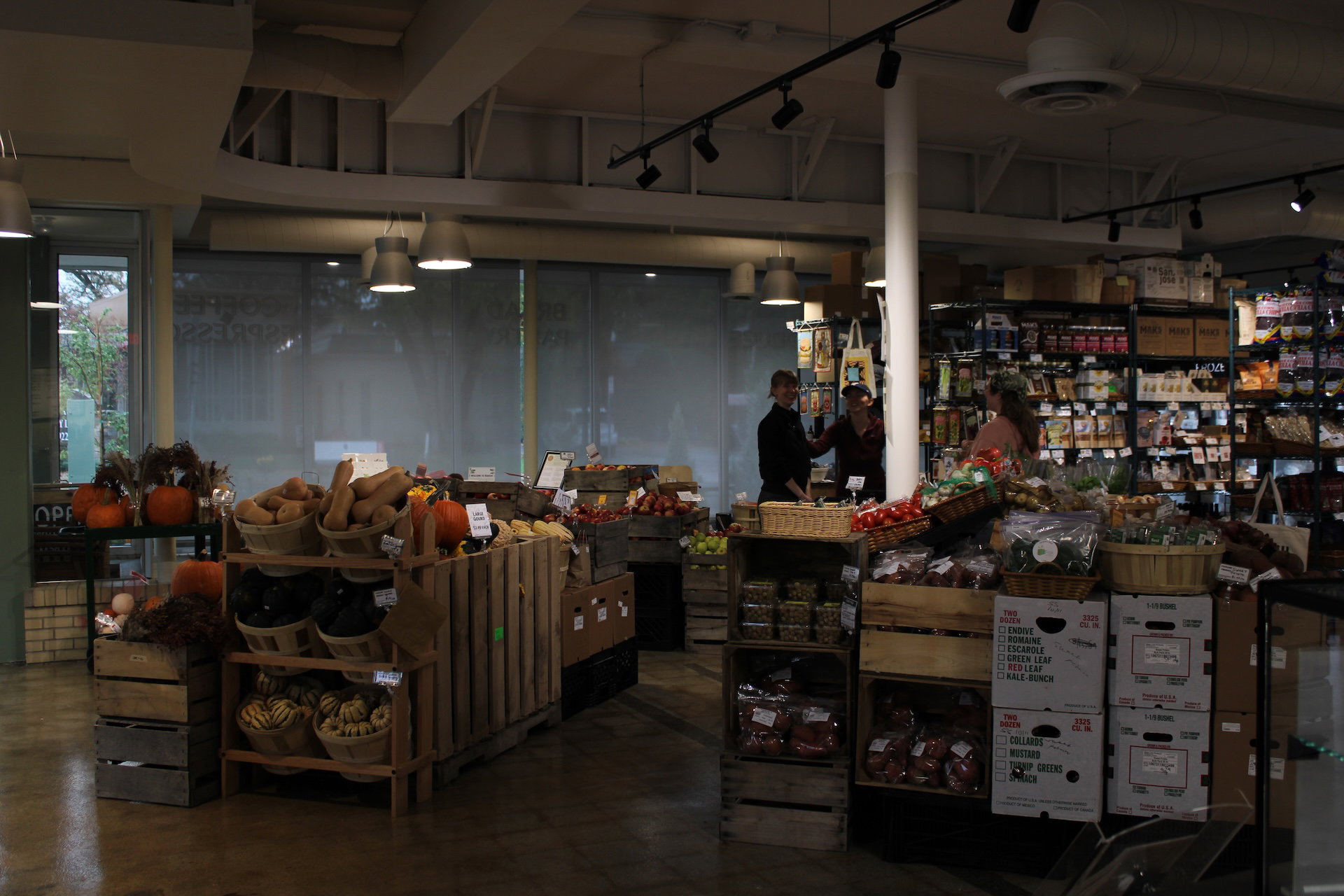
Photo by Tay Elhindi
Minneapolis’ newest grocery experience is founded by Lily Gross and built around a model known as a farm stop. Radish brings together local farmers and regional food producers under one roof, creating a year-round retail space where customers can shop directly from a network of growers and makers. Unlike a traditional grocery store, where products typically pass through wholesalers and distributors, Radish operates largely on consignment, allowing producers to set their own prices while the store manages inventory and sales. The result is something of a modern farmers market, without the logistics of visiting multiple vendors or the uncertainty of market days. More importantly, it creates another avenue for small farms and independent producers to reach customers, build their businesses and make a living from the food they grow.
The concept isn’t entirely new. Gross grew up in Ann Arbor, Michigan, home to Argus Farm Stop, which introduced her to the model years before she began building one of her own. But for Gross, bringing a farm stop to Minneapolis is about more than replicating a successful retail concept. It’s about addressing a disconnect between the region’s agricultural abundance and the opportunities available to the people growing its food.
“We’re in an agricultural area that has a lot of opportunities,” Gross says. “There’s an incredible supply and an absence of offering that market access.”
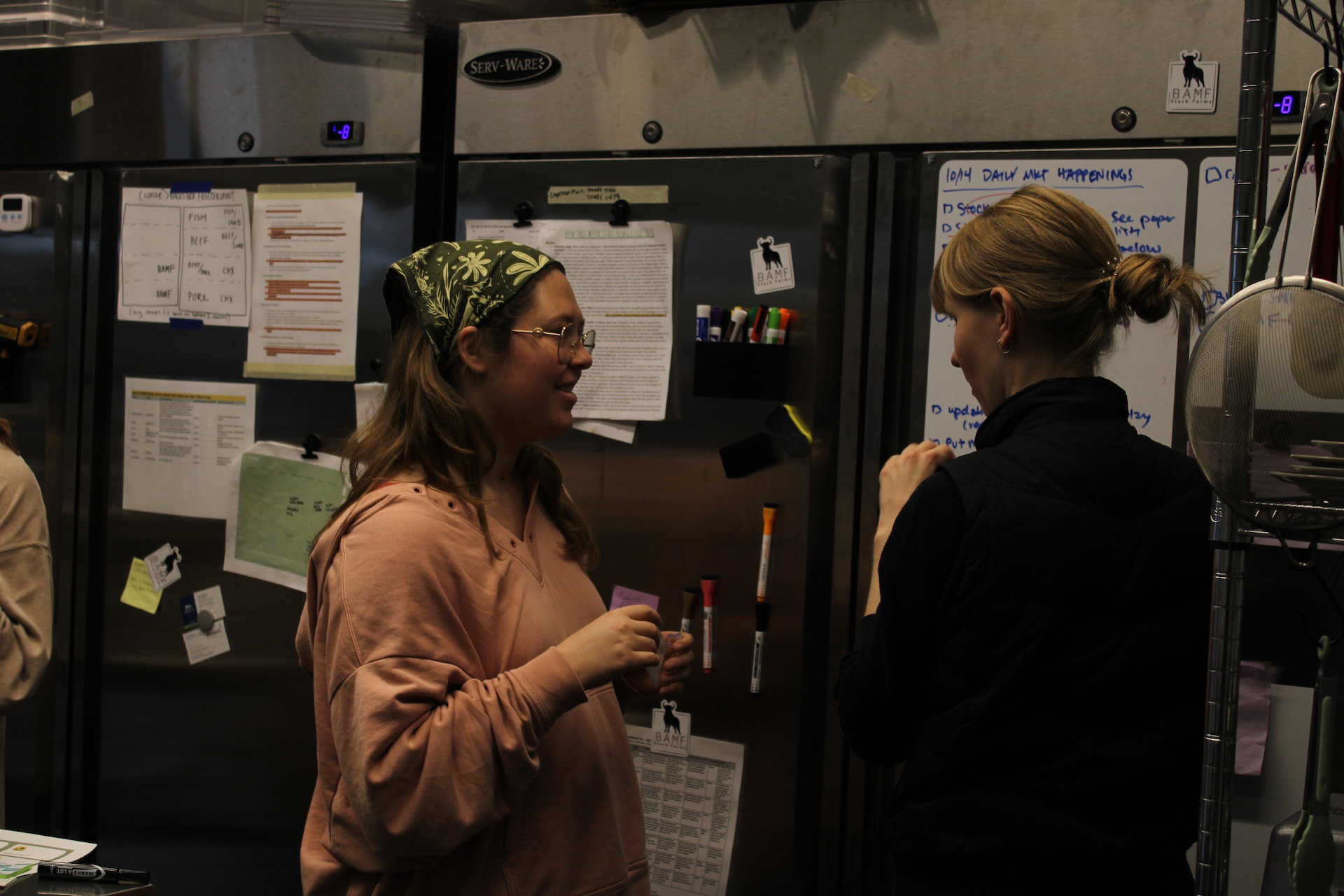
Photo by Tay Elhindi
For small farms, getting a product to market is only part of the challenge. Farmers markets offer a valuable connection to customers, but they also require time, labor and a willingness to shoulder the uncertainty of a day’s sales. Radish offers an alternative: producers receive 70 percent of their products’ sales price, paid out every other week, without managing the retail operation themselves.
That kind of market access matters in a state where agriculture remains central to the regional economy, but making a living as a small-scale producer can be difficult. As established farmers age out of the industry, creating viable opportunities for the next generation becomes increasingly important. Radish can’t solve those challenges on its own, but it offers one way to make local agriculture more sustainable, giving farmers another place to sell their goods and a better chance of turning their work into a livelihood.
For Gross, the idea has been over six years in the making. Her path to Radish wound through an environmental studies degree at Denison University in Ohio, work at the Ferry Plaza Farmers Market in the Bay Area, and a management position at Seward Community Co-op in Minneapolis. Along the way, she became increasingly interested in the relationship between food, consumer behavior and the systems that bring products to market. All begging the question that would eventually become central to Radish: How could people be better equipped to understand the food they buy?
Too often, Gross felt, the responsibility falls entirely on the consumer to research where food comes from, how it was produced and which purchasing decisions align with their values. Shopping for food can feel like a second job, complete with its own research requirements and a nagging sense that you should probably know more than you do.
Radish aims to make that process easier, offering a place where shoppers can ask questions, meet producers and discover regional products without needing to arrive with a working knowledge of the food system.
“It’s not pretentious,” Gross says. “You don’t have to know all the stuff about the food system to shop here. It’s for anyone who wants to buy tasty food.”
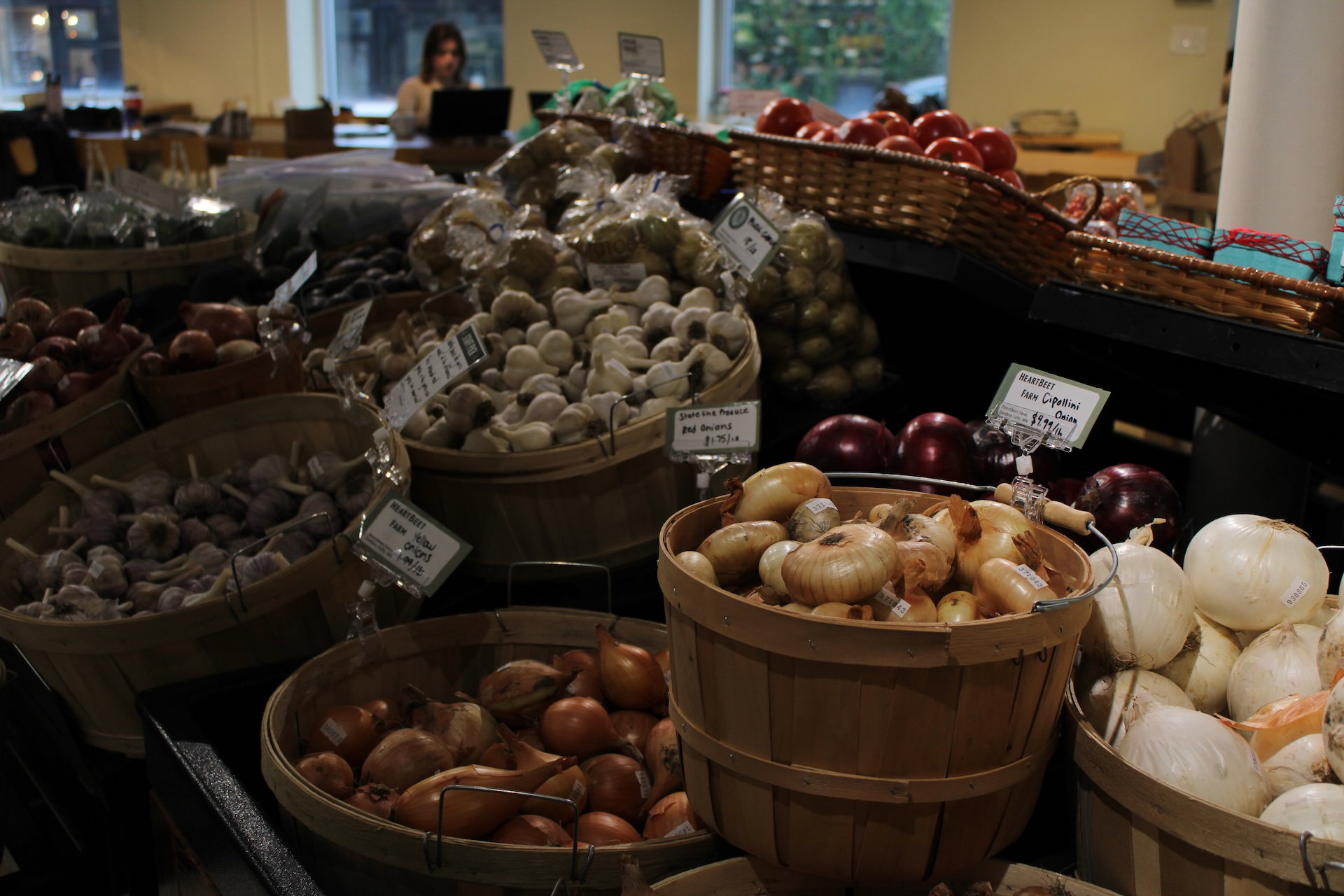
Photo by Tay Elhindi
That last part is essential to the mission. For a store centered on local agriculture, there’s an understandable risk of being mistaken for a high-end specialty market where everything looks beautiful with out-of-touch price tags. Gross was conscious of that perception from the beginning. Radish carries products across a range of price points, from specialty items to more affordable staples and everyday basics. A shopper might come in for something unusual or simply pick up the ingredients for dinner.
The intention is to make local food feel less like a lifestyle reserved for people with disposable income and more an ordinary part of how the city eats. That conversation also extends to food access more broadly. Gross has spoken about the pressures facing households navigating changes to food assistance and the growing challenges of accessing nourishing food. Radish’s ability to serve customers across income levels is an important part of the picture.
Food has a way of bringing people together, even when they disagree about just about everything else. Gross sees that as part of Radish’s potential. Buying food is a shared experience, and supporting the people who grow it can offer common ground across different backgrounds and belief systems. She often returns to the words of author and farmer Wendell Berry: “Eating is an agricultural act.” Gross takes the idea a step further, viewing eating as a political act, too. Every purchase participates in a larger system, whether or not the shopper is thinking about it.
That doesn’t mean every visit needs to become a lesson in agricultural policy. Sometimes it’s enough to find a particularly good apple, discover a new producer or leave with a bag of groceries and a better idea of where dinner came from.
And as Minnesota heads into the colder months, Radish’s role won’t end with the growing season. The store is designed to evolve with the seasons, shifting its offerings as local ingredients change. The arrival of fall might mean trading summer cucumbers for carrots, squash and the makings of a cozy bowl of soup. Seasonal eating, Gross says, offers a chance to work with ingredients when they taste their best, while shortening the distance food travels can help preserve quality.
For shoppers who associate local food with summer farmers’ markets, that seasonal shift is worth remembering. The fields may quiet down, but there are still reasons to keep coming through the door. Radish intends to maintain its grocery offerings through the colder months while continuing to develop its role as a gathering place. Gross hopes to host cooking classes, producer talks, book clubs, arts and crafts, documentary screenings, game nights and live music, with opportunities for community members to propose and organize their own gatherings. The aim is to create more opportunities for people to spend time together, learn about their food and connect with the people behind it.
Gross isn’t approaching Radish with a franchise blueprint or an ambition to grow at any cost. She talks instead about intentional growth, the slow food movement and building something that responds to the needs of the community. The store will continue to evolve, shaped in part by the people who walk through its doors. Customers can even suggest producers they would like to see on the shelves.
For now, Radish is a place to buy groceries, grab a coffee, flip through a cookbook or discover something grown a little closer to home. But its larger ambition is to make the connection between the people who grow food and the people who eat it feel less distant, less complicated and more accessible.
The future of local food depends on farmers being able to make a living. It also depends on the rest of us having meaningful ways to support them. Radish is betting that a neighborhood grocery store can help bring those two things a little closer together, one shopping trip at a time.